
Four skillsets that decide who leads well over the next decade.
Peak State builds AI solutions inside enterprises, runs strategy with leadership teams, and coaches senior executives through the change — across Australian government, banking and the ASX 200. The territory is new. These are the maps. Unfold one.
AI for today
Knowing what to do with AI, this quarter.
Most teams don't have an AI problem. They have a fluency problem. Until your senior people can read a model card, judge an evaluation, and disagree with a vendor without flinching, every other AI conversation in your org is run by someone with more conviction than context. We fix that — fast, with the toolset you already pay for, and against the work that crossed your desk this week.
Two days, real workflows, real datasets, real escalations. People leave with judgement, not just access.
The most comprehensive, efficiently packaged and engaging training of its type I have ever completed.
— Director, Australian Government
AI for tomorrow
Leadership when teams are part-AI.
The first six months of an AI rollout look like a productivity story. The next eighteen look like a leadership-of-leaders story — and almost nobody plans for that transition.
When agents start doing the work mid-level managers used to coordinate, the job above them changes shape. Less throughput, more judgement. Less coaching individuals, more designing the system the individuals (and the agents) sit inside. We work with leadership cohorts on what to keep, what to delegate to software, and what to stop doing entirely.
Andrew's helped skyrocket my leadership capability. I'm more confident in people leadership, taking educated risks and critical decision making. There's so much more to leadership than just fulfilling the leadership role and I would highly recommend working with Andrew! We need more great leaders!
— Release Train Engineer, ATO

Strategic foresight
Re-examining the assumptions strategy is built on.
Hard things are now easy. That sentence sounds glib until you sit with it for an hour. Most strategy frameworks were built for a world where the bottleneck was building. The bottleneck has moved.
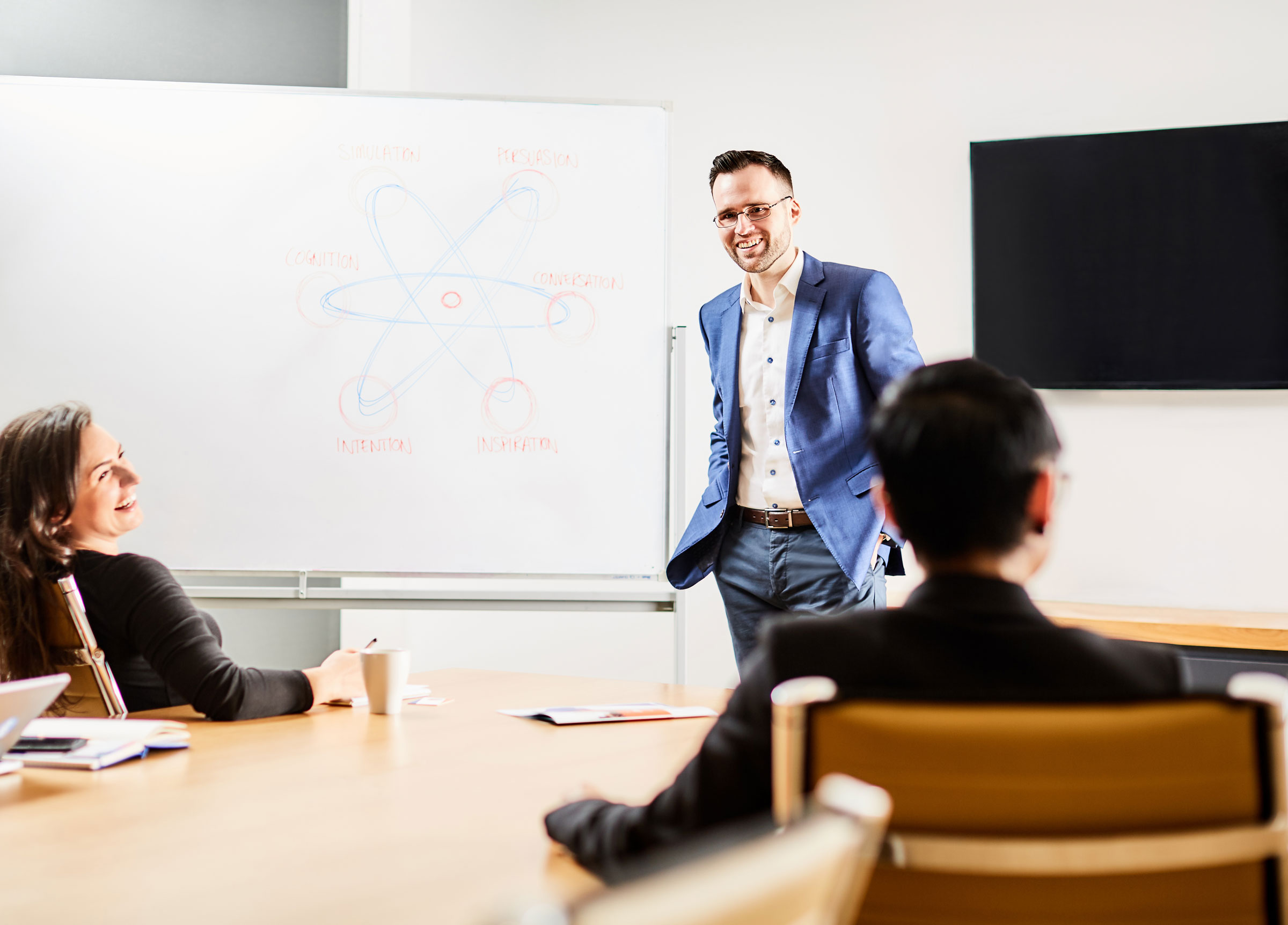
We run small, sharp roundtables with senior leaders to pressure-test the assumptions still propping up your three-year plan: moats, headcount, MVPs, Agile, the whole inherited stack. Some of it survives the conversation. Some of it doesn't. Better to find out in a room with peers than in an investor update.
The best facilitated annual planning I've ever attended.
— Deputy Commissioner, ATO
Leading change
Bringing yourself, and your people, through.
There is a model from sports psychology — comfort zone, learning zone, panic zone — that explains more about an enterprise AI rollout than any change-management framework we've seen.
The leader's job is to hold the team in the learning zone for as long as the change demands it. Not push them into panic. Not let them drift back into comfort. Hold the line, in public, while privately doing the same work on yourself. It is the most psychological part of this job and the part nobody is trained for. We work with a small number of senior leaders 1:1 on exactly this.
Andrew single-handedly coached an area of over 2,500 people. Day in and day out, delivering value without complaint in a complex, critical and challenging environment. Delivered with high quality and humility.
— Chapter Lead, CBA
Built, convened, coached.
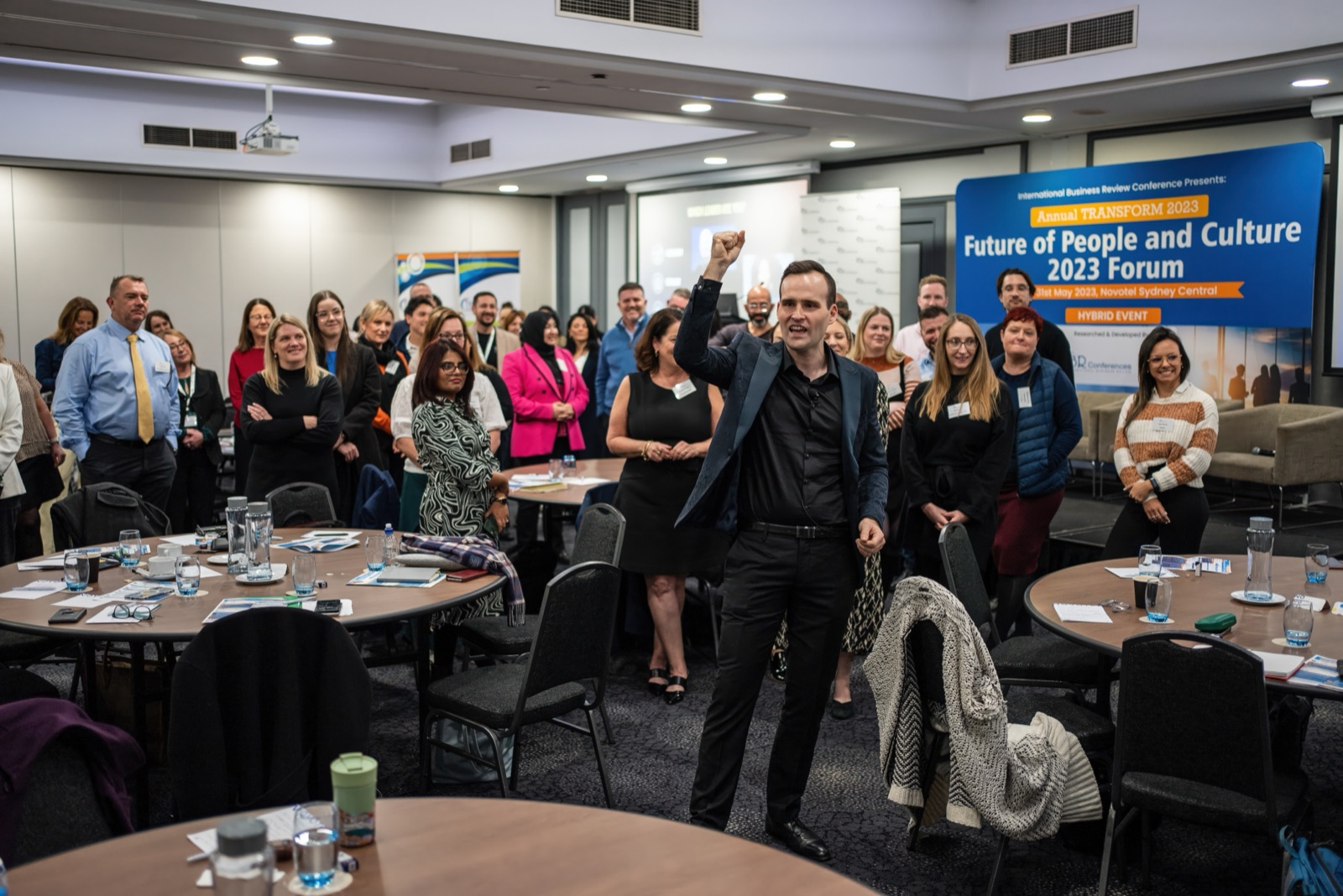
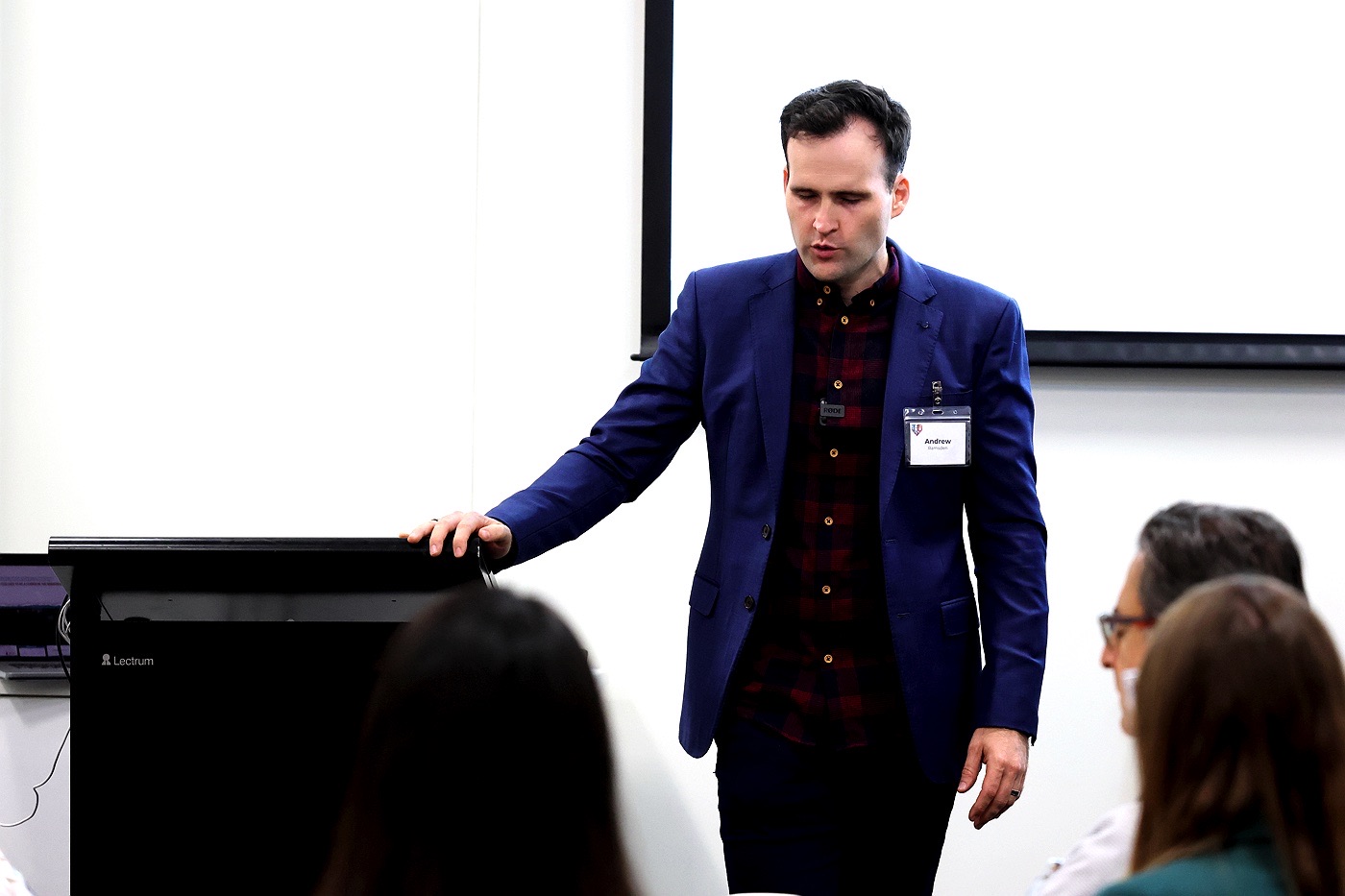
Peak State is a working practice, not a keynote circuit. The four maps are drawn from the work we do every week:
Assistants, evaluation pipelines and workflow automations shipped inside enterprises — built with the teams who run them, on the stack they already pay for.
Annual planning, operating-model design and foresight sessions facilitated with leadership teams across government, banking and the ASX 200.
Senior leaders coached 1:1 and in cohorts — from Executive General Manager to Executive Manager — through AI-driven change.










What the rooms say afterwards.
I used key concepts from Andrew's training during a recent negotiation and in terms of dollars I estimate the outcome from that one conversation saved the organisation over $100,000.
— Executive Manager, Queensland Government
Andrew's facilitation was welcoming and inclusive. His quiet confidence shone through in the way that he directed the session which led to insights that were then able to be leveraged to develop our new operating model. It was clear that the participants felt comfortable opening up to Andrew about their thoughts and feelings around the recent changes to their role, something that we would not have been able to achieve without him.
— Executive Manager, CBA
I've had a lot of wins during and since finishing the program, my team is more cohesive and productive. Best of all I now feel comfortable and confident as a leader, and that I have the trust and respect of others.
— Technical Team Leader, Tabcorp
As always your preparation and facilitation was fantastic and setup the environment for open and candid discussions. The concepts covered will continue to support the branch to foster the engaged, inclusive and responsive culture we strive to have.
— Assistant Commissioner, ATO
Recent essays
- Aug 2026The morning-after ledger: sand, scaffold and asset9 min
- May 2026The rerun test: catching the transformation you already ran9 min
- Apr 2026Leading leaders who lead agents7 min
- Mar 2026Hard things are now easy7 min
- Feb 2026Comfort, learning, panic7 min
- Jan 2026Why fluency, not tools, is the bottleneck7 min
Bring us the problem as it stands
A workshop, an academy cohort, a strategy roundtable or 1:1 coaching — every engagement starts the same way: a 30-minute conversation about what is actually happening in your organisation.